Alliance strengthens foundations for Den Oever swing bridges
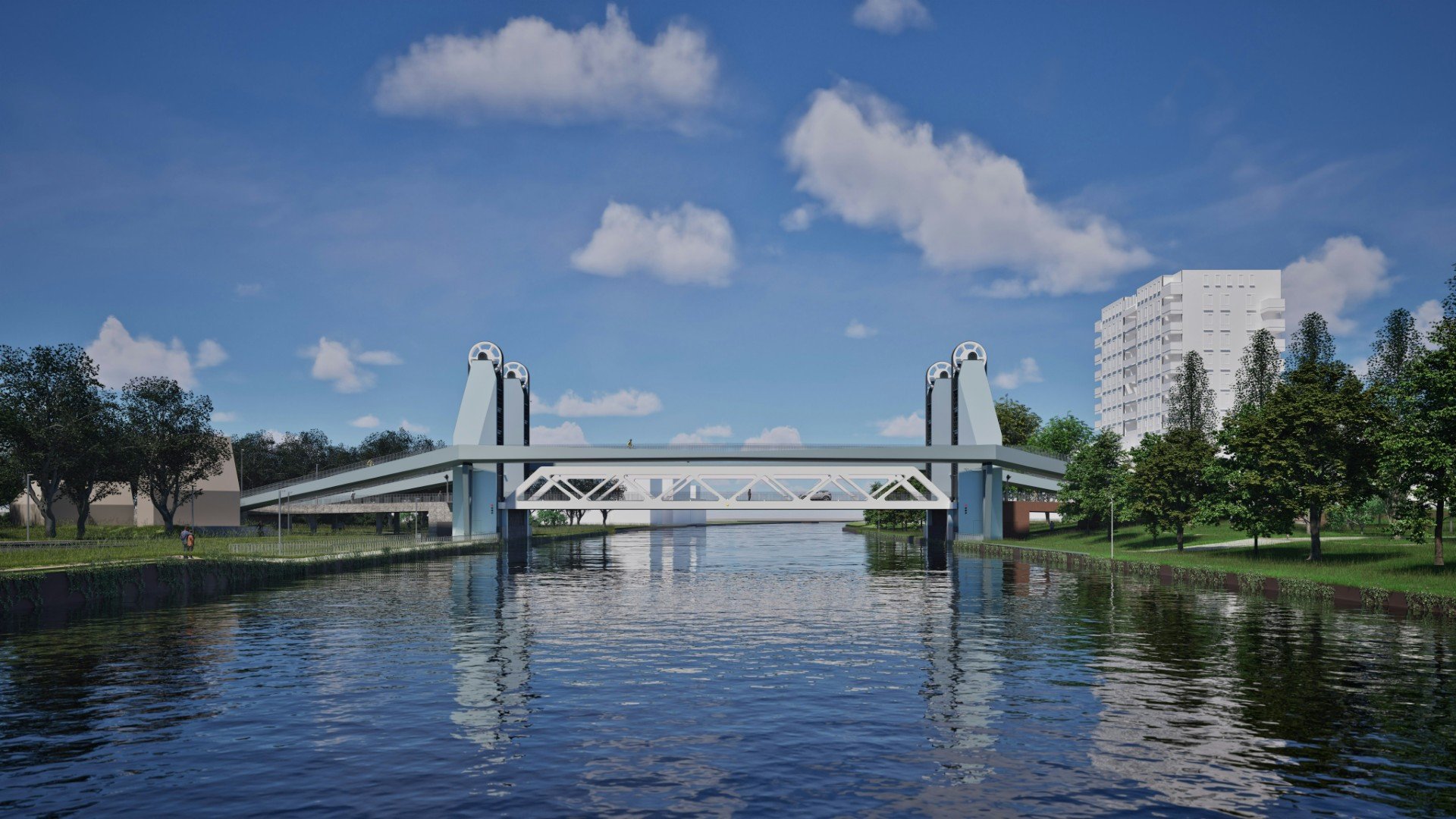
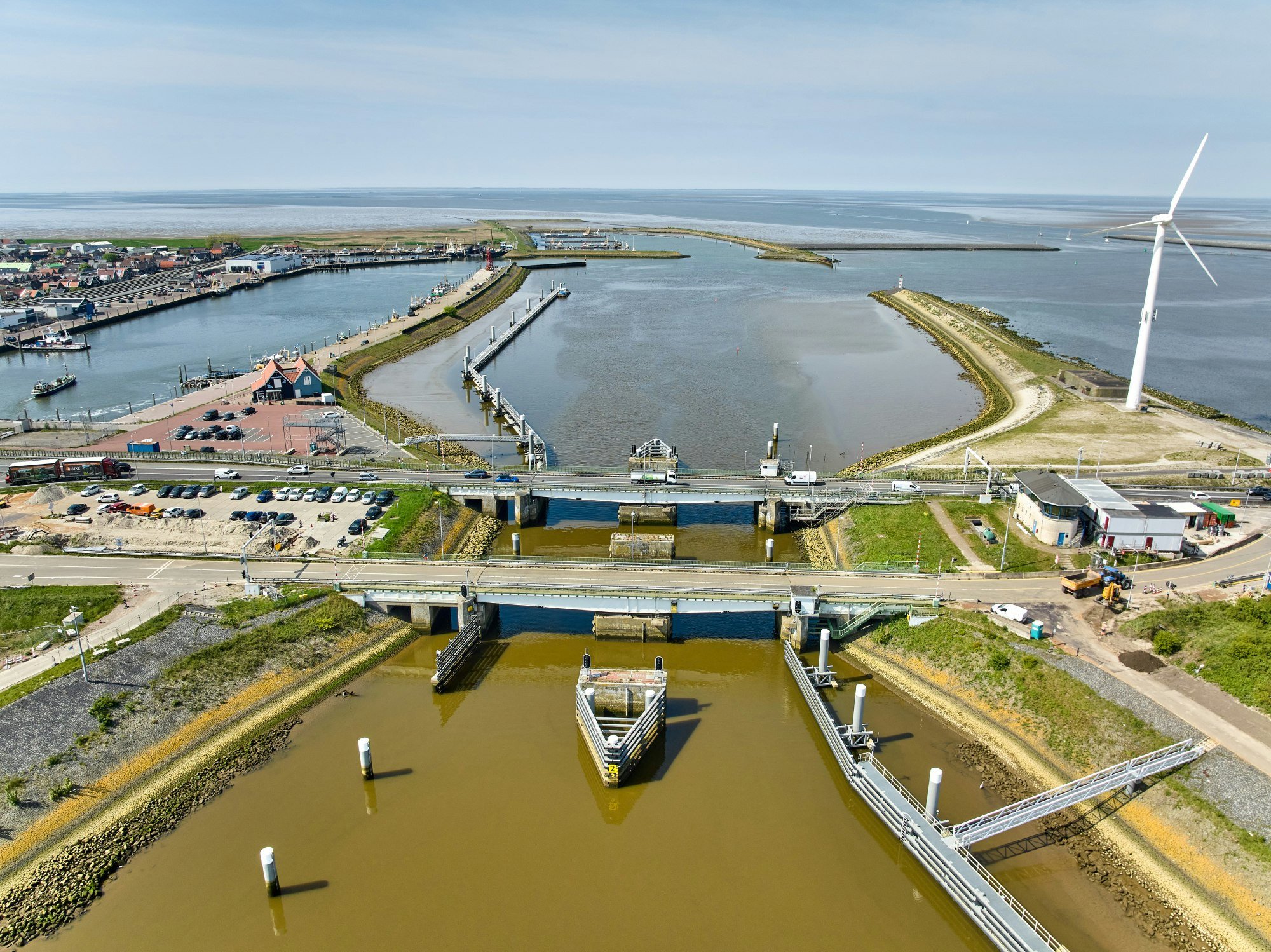
The renewal of the two swing bridges on the A7 near Den Oever is about more than steel, engineering and availability. This replacement and renovation project also shows how close collaboration across the supply chain can contribute to a better result.
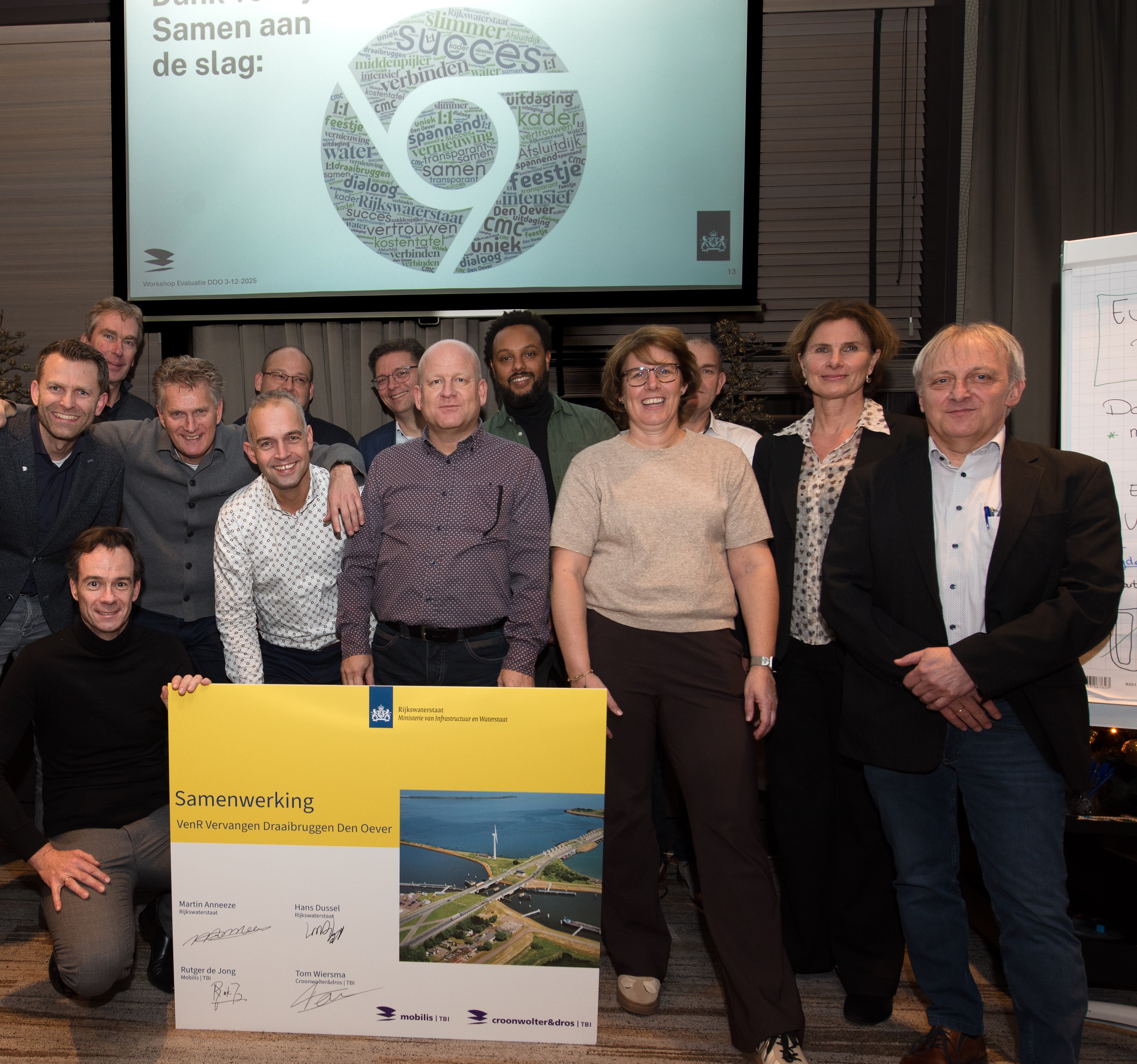
Within the Bridges and Locks Alliance (BSA), Mobilis, Croonwolter&dros, Iemants and Machinefabriek Rusthoven work together as equal partners. A strong partnership that brings together civil engineering, steel construction, mechanical engineering, electrical engineering and automation from the very start.
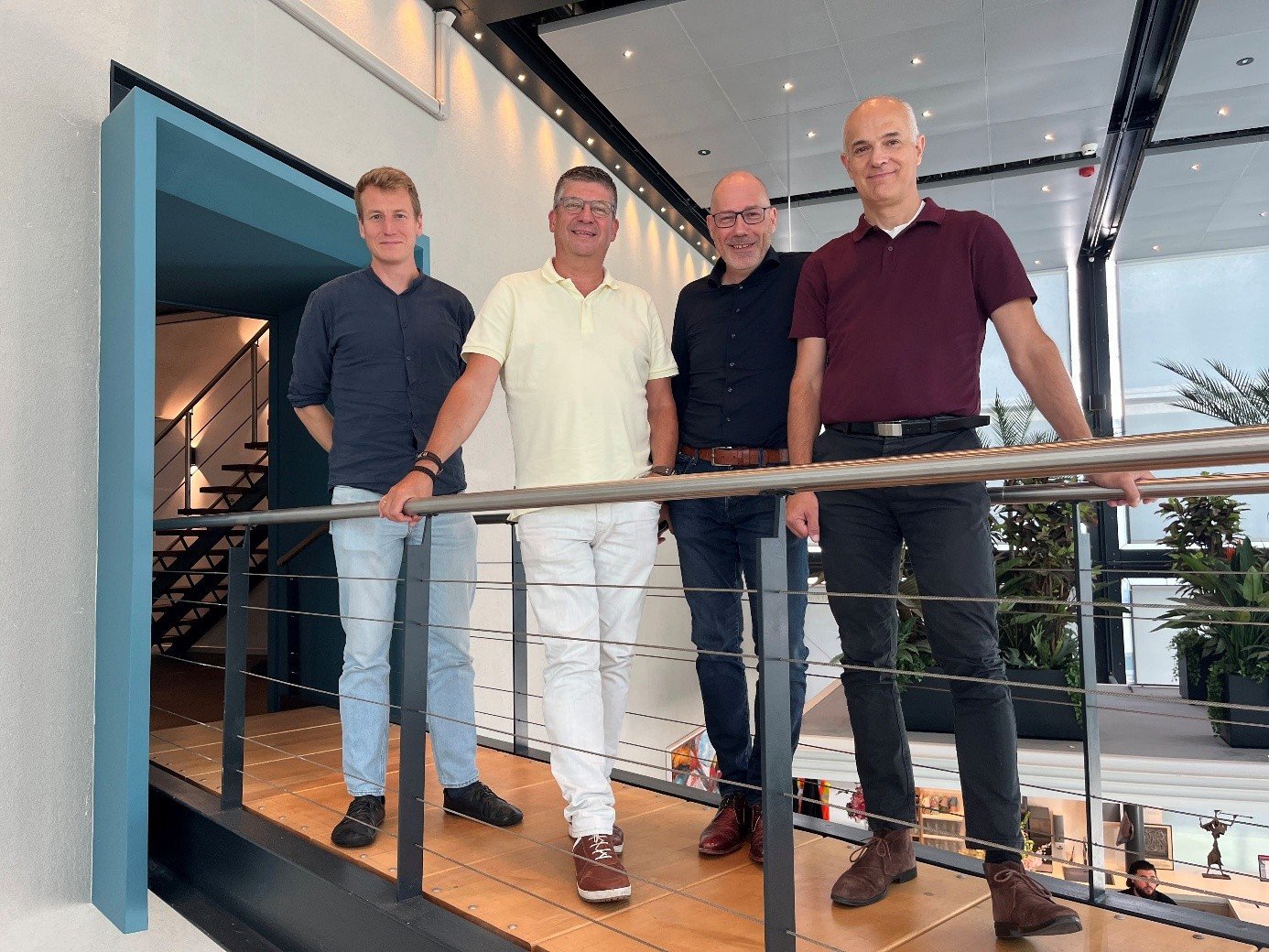
Unlike a traditional client-contractor-subcontractor structure, the four partners share responsibility for the final result. “We all bring our own expertise to the table,” explains Ton Vos, Technical Manager at Croonwolter&dros. “The added value lies in short lines of communication and working together to find solutions, including with our client Rijkswaterstaat.” According to Leo van der Bij, Project Manager at Rusthoven, the foundations for this approach were already laid during the tender phase. Frederik Jochems, Project Manager at Iemants, adds: “For the steelwork, we use prefabricated components, but of course everything has to fit together seamlessly.”
Millimetre precision
Every week, the experts align on scenarios, interfaces and progress, with Rijkswaterstaat regularly joining the discussions. Thorough preparation is essential, as on-site work will only start at the end of 2027 and some components have long lead times. Iemants, for example, is producing almost forty custom-made steel elements for each bridge, with Machinefabriek Rusthoven adding the moving components. The slewing ring bearings have a lead time of forty weeks and have therefore already been ordered.
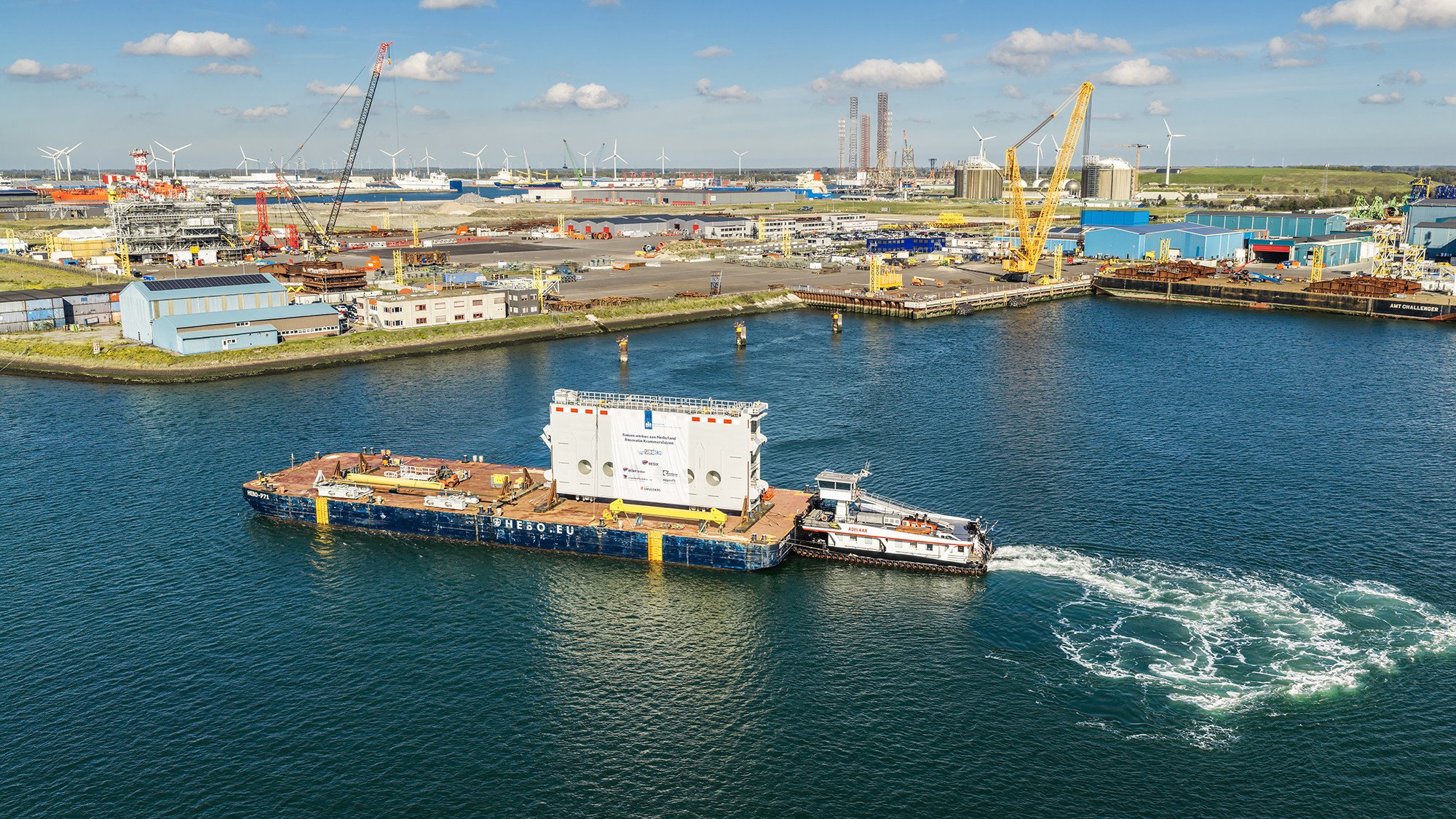
The complete bridge section fits onto an eleven-metre-wide pontoon. It will be transported via the inland waterways to Den Oever and installed in a single operation. Afterwards, the cables, piping and cabinets supplied by Croonwolter&dros must also connect on a plug-and-play basis. Installing the bridge and its mechanical systems onto the concrete foundations is “a matter of true millimetre precision.”
Normally, you receive a design and are asked to build it,” says Frederik Jochems. “Now we are involved from the start, contributing our expertise on manufacturability, logistics, maintainability and risks.
Technical heart
The BSA builds on years of collaboration on previous bridge and lock projects. Because the partners already know each other’s organisations, ways of working and expertise, a new project doesn’t have to start from scratch every time. This speeds up preparation and decision-making. Based on an integrated ‘best for project’ approach, the partners jointly balance quality, costs, planning and risks.
Jacob Guis, Project Director at Mobilis, describes the alliance as the technical heart of the project: “What makes the alliance different is that we work as equals and give each other the space to succeed. Each party takes responsibility for its own scope while actively contributing to the project. This leads to better solutions than when parties simply have an execution role. More than 90% of issues are resolved effectively between us.”
According to Guis, this no-nonsense approach is well suited to complex renovation and replacement projects. “You don’t want to spend months organising how you’re going to work together. We work well together, so we can quickly focus our energy on the project itself.”
Expertise from day one
For Ton Vos, the early involvement of all disciplines is particularly valuable. When civil, mechanical and electrical engineering and automation are only brought together at a later stage, interface issues can easily arise. Within the alliance, the partners jointly assess from day one which choices are best for the project. “Because we know and trust each other, we can have difficult discussions without immediately falling back on contractual positions. We look for the best solution together. This often results in better technical choices and fewer risks.”
For Iemants, this way of working also changes the role of the specialist. “Normally, you receive a design and are asked to build it,” says Frederik Jochems. “Now we are involved from the start, contributing our expertise on manufacturability, logistics, maintainability and risks.” This early involvement is particularly valuable at Den Oever, where new components must connect to existing structures, helping to prevent errors and identify opportunities sooner.
For Machinefabriek Rusthoven, the strength lies mainly in the short lines of communication. Many technical challenges arise at the interfaces between disciplines. “Within the alliance, you pick up the phone and solve things straight away,” says Leo van der Bij. Best for project, professionalism, reliability, continuity and integrity form the basis of this collaboration. The partners have also agreed to learn together, prevent disputes and ensure that one party’s gain does not come at the expense of another.
Stronger together for the replacement and renovation challenge
Den Oever demonstrates that collaboration is about more than bringing different disciplines together. By taking responsibility, making decisions together and actively sharing knowledge, the partners form an integrated team that learns faster, designs smarter and delivers more effectively. For the extensive replacement and renovation challenge in the Netherlands, this brings benefits both to clients and to the parties working every day to keep the country connected and accessible.