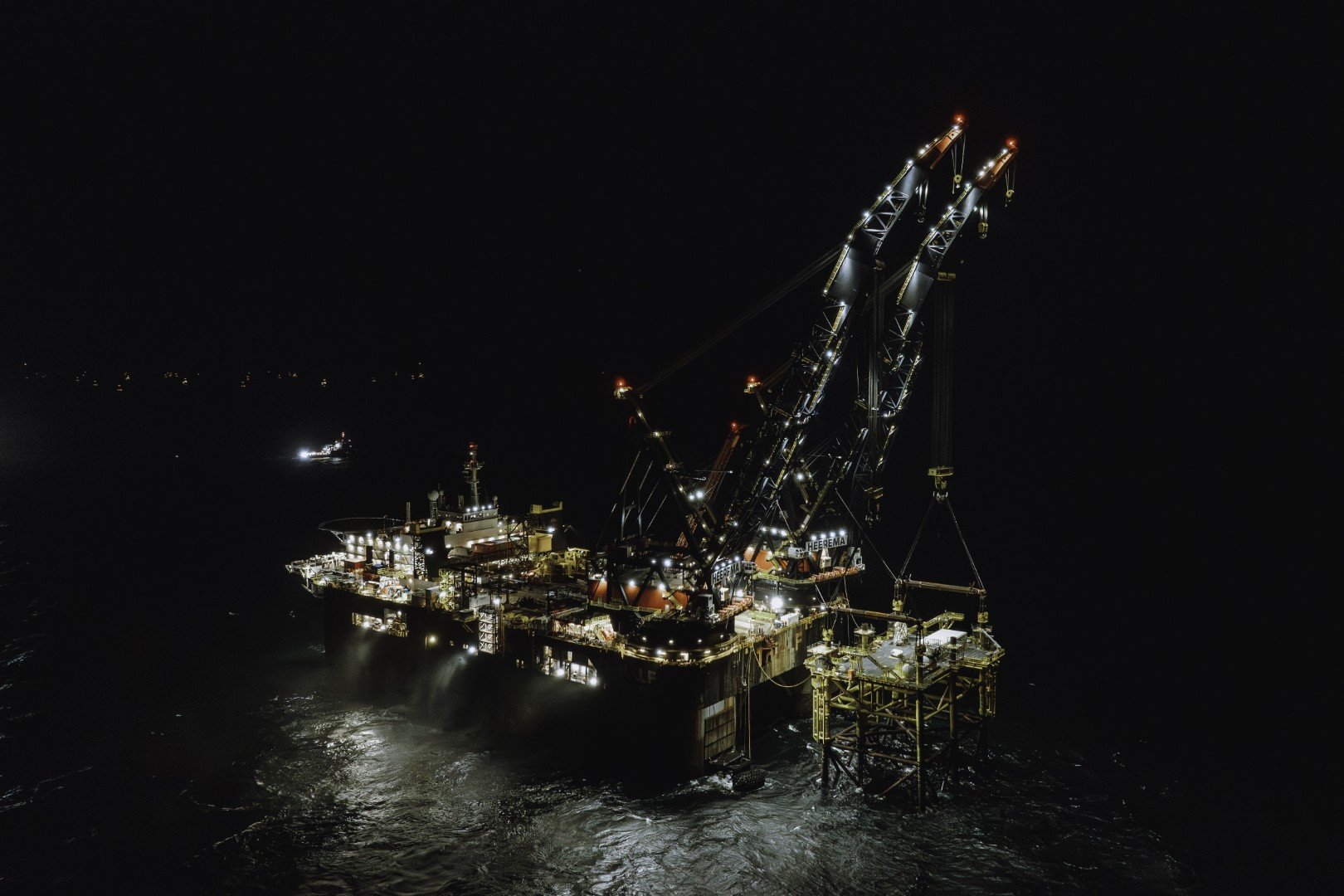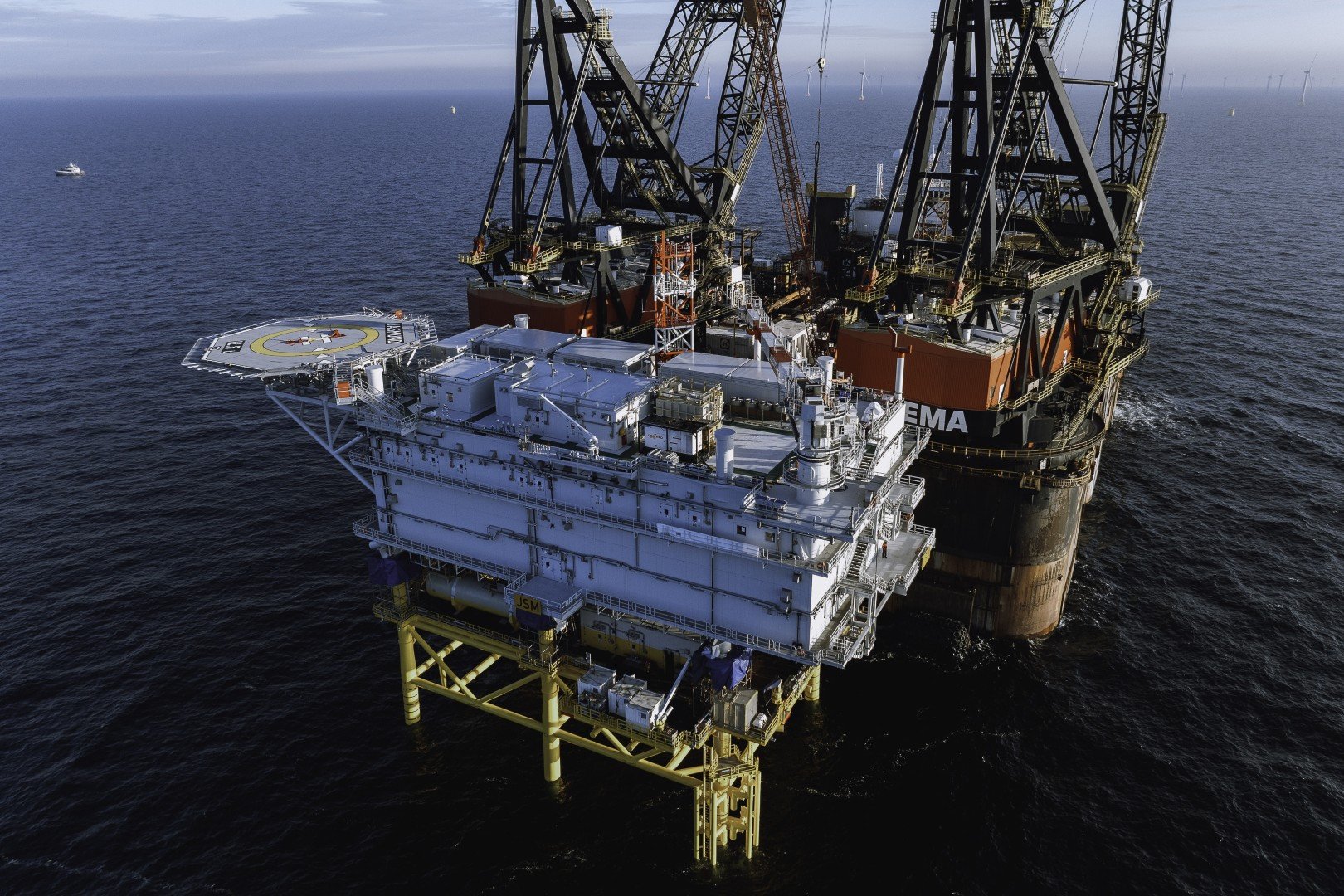
HSI Joint Venture completes offshore installation of OSS Jasmund in the Baltic Sea
Key infrastructure for Ostwind 3
Once operational, OSS Jasmund will have an installed capacity of 300 MW, supplying enough electricity to power around 260,000 households. The substation forms part of the offshore grid infrastructure developed by 50Hertz to integrate offshore wind generation in the German Baltic Sea into the onshore transmission network.
EPCIC delivery through close collaboration
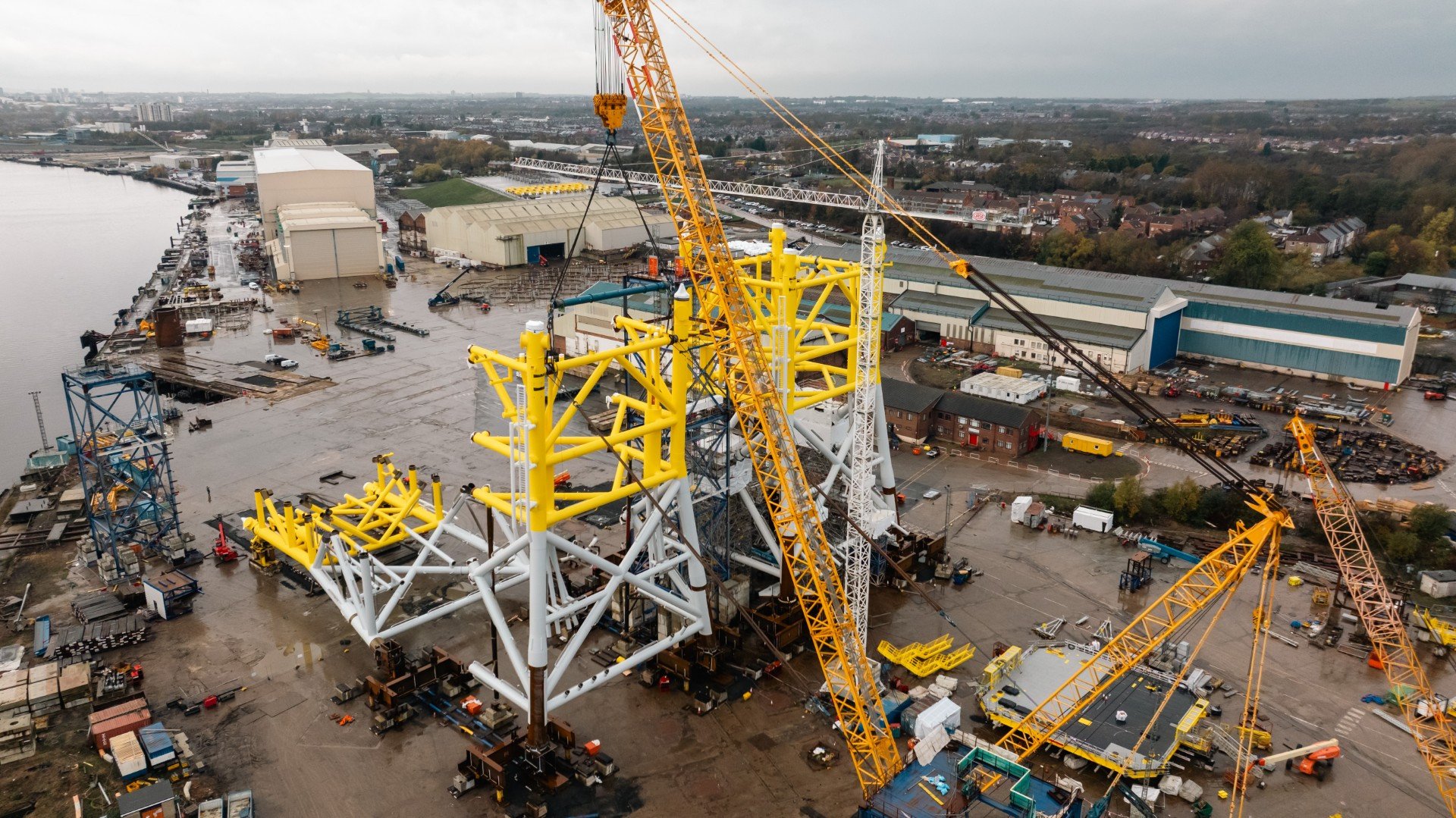
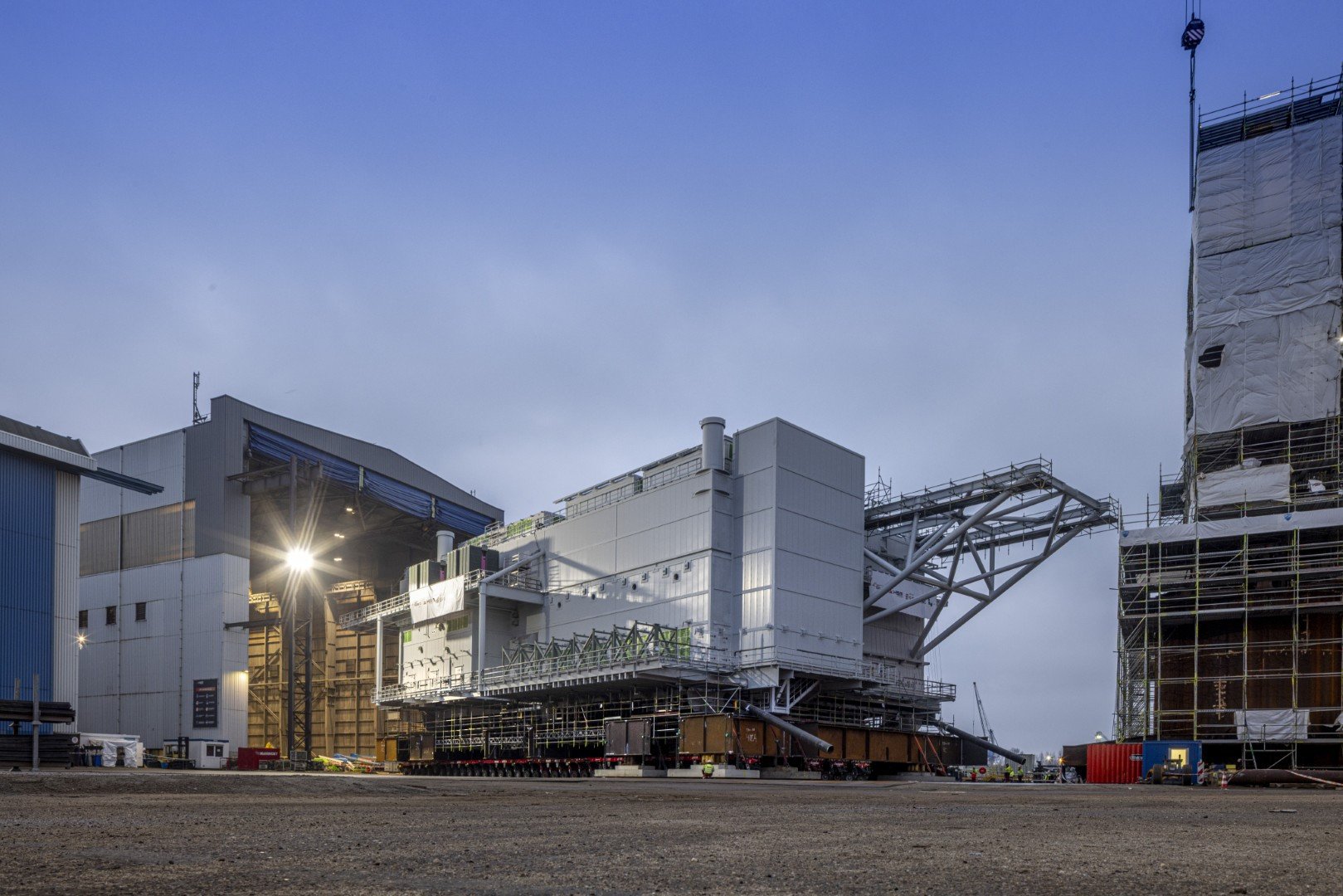
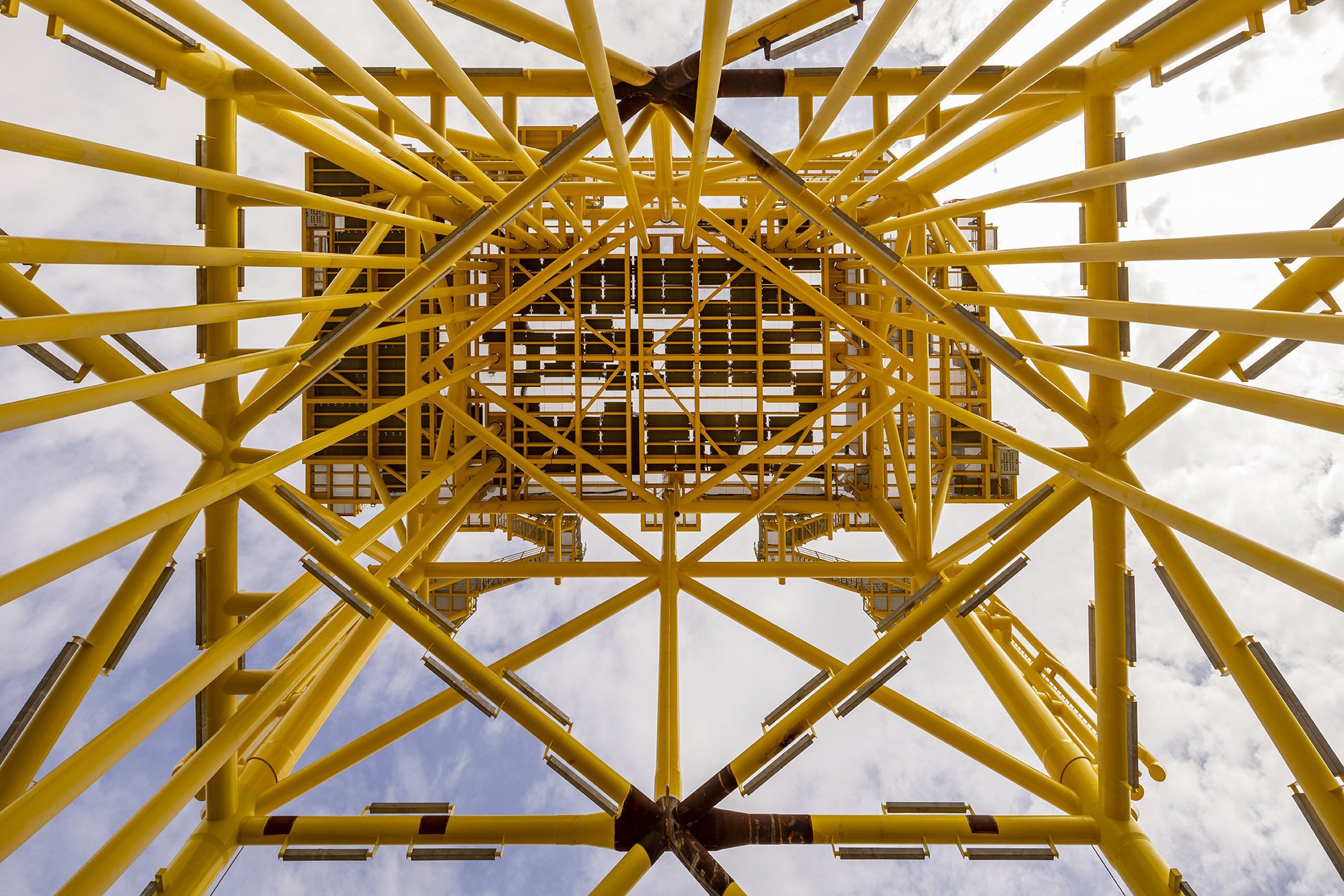
The project is being delivered by the HSI Joint Venture for 50Hertz Transmission GmbH, covering the full EPCIC scope (Engineering, Procurement, Construction, Installation and Commissioning) of both the topside and the supporting jacket. From early engineering and detailed design to fabrication, transport and offshore installation, the successful completion of this milestone reflects close coordination between all partners involved.
From Rotterdam to the Baltic Sea
The offshore installation followed the sail-away of the topside from the Stormpolder yard of HSM through the heart of Rotterdam, where the structure passed beneath several of the city’s iconic bridges. The jacket, constructed at Smulders’s yard in Vlissingen, was transported separately to the Baltic Sea. With installation now completed offshore, OSS Jasmund stands as a clear example of complex offshore infrastructure progressing from design to execution through a series of carefully managed project phases.
Next steps
In the coming period, offshore testing and commissioning activities will be carried out to prepare OSS Jasmund, part of the Ostwind 3 grid connection, for operation. OSS Jasmund is the first of three offshore substations being delivered by the HSI Joint Venture for 50Hertz Transmission GmbH. OSS Zingst and OSS Darß will follow as part of the OST-6-1 grid connection, with OSS Zingst connecting the Gennaker East offshore wind farm and OSS Darß connecting the Gennaker West offshore wind farm to the onshore transmission network.
Together, these substations will further expand offshore grid infrastructure in the region and support the integration of large-scale offshore wind generation. Once completed, the three substations will have a combined capacity of approximately 1.2 gigawatts and will supply green electricity to more than one million households.